

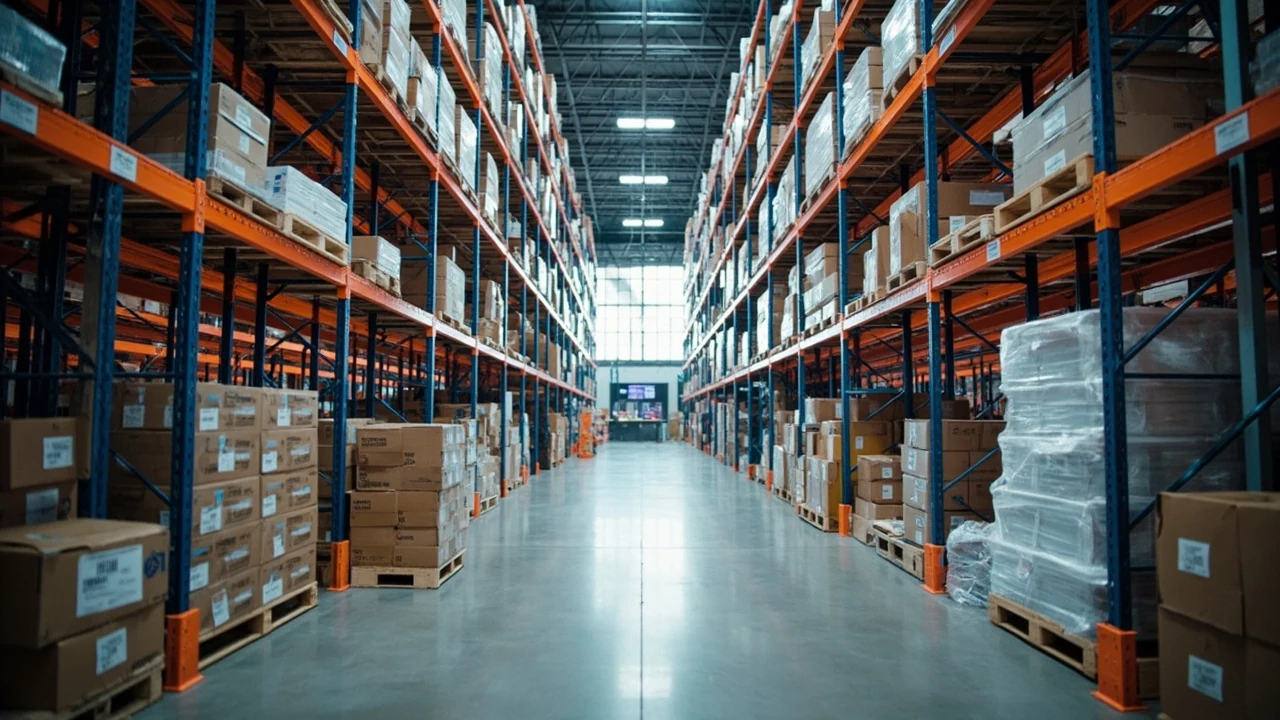
About the author: The BLB Operations Team oversees 50,000+ monthly dropshipping shipments across six global warehouses (including two US facilities). The team is responsible for niche evaluation, partner onboarding, IQC/FQC quality control, and US-warehouse fulfillment operations. The frameworks in this article come from 24+ months of partner order records, cross-validated against public industry data.
Editorial review: Reviewed by the BLB Editorial Team. The team collaborates with BLB’s IQC/FQC dual inspection process and partner integration standards, with focus on framework rigor, supply chain feasibility, and methodology transparency.
Methodology: The seven niches below were filtered from a 30+ niche shortlist using the BLB 4-criteria framework — demand velocity, margin economics, differentiation, and fulfillment feasibility — with the additional filter of “low competition” (KD ≤ 25 + top-10 SERP structurally weak). All margin, return-rate, and AOV figures come from BLB internal performance records unless otherwise cited.
After processing 50,000+ monthly orders across six global warehouses, our team at BLB Dropshipping has watched one pattern repeat: the niches that printed money in 2024 are the ones flooded with AI-built competitors in 2025–2026. Phone cases, tumblers, and generic home decor — three of the easiest niches to enter — are now so saturated that Meta and TikTok CPMs have inflated 2x–3x in 12 months.
This article is the counter-strategy. Seven low competition dropshipping niches for 2026 that pass four tests against real BLB order data, with the keyword difficulty estimates, margin math, and US-warehouse feasibility checks you need before you commit ad spend. Every pick has rising 12-month trend velocity and a top-10 SERP that is structurally weak — meaning a focused store can rank in 90 days, not 12 months.
Who This Guide Is For
You’re choosing a niche in 2026, or you’re considering a niche switch because your existing category stopped converting. You know the generic “best dropshipping niches” lists are oversaturated and want a defensible alternative.
This guide is for sellers willing to give up the most obvious niches in exchange for smaller, durable markets with less price competition. The picks below are not the highest-volume categories in our network — they are the ones where the 12-month trend slope is rising, the top-10 SERP is weak, and the unit economics support 2.5x markup without price wars.
If you want the full 4-criteria framework for niche selection, see the Pillar. If you want the broader catalog of 30+ picks across all competition tiers, see Best Dropshipping Niches 2026: 30+ Data-Backed Picks. If you specifically want the trending angle (TikTok-driven speed plays), see Trending Dropshipping Niches 2026.
What “Low Competition” Actually Means in 2026
The term “low competition” gets misused in three ways. Each one costs sellers real money when they pick the wrong niche.
Wrong: “No one is doing it.” No competition usually means no demand. If a niche has zero SERP results, zero Minea advertisers, and zero TikTok creators, the demand signal is missing — not the competition signal. Skip it.
Wrong: “Only big brands are doing it.” High-authority incumbents (Wayfair, Chewy, Sephora) in a niche is a demand signal, not a competition signal. A focused dropshipper can still rank for long-tail variants of the niche without competing on the broad keyword.
Right: “Top-10 SERP is structurally weak.” The strongest indicator of low competition is a top-10 SERP where the top results have under 100 reviews, modest domain authority, and limited ad spend. That niche has demand (people are searching) but no entrenched winners. A focused store can rank in 3–6 months.
4 Signals That Identify a Low-Competition Niche
Every niche in this article passed four tests. Run your own candidate through the same battery before you commit ad spend.
1. Keyword Difficulty ≤ 25
Pull the main keyword in SEMrush or Ahrefs. KD ≤ 25 is the working threshold for a new store. The seven niches below all sit in the 12–18 range — what we call the “gold zone” for first-time niche launches.
2. Top-10 SERP Players Have <100 Reviews or Modest Ad Spend
Search the main keyword in incognito mode. Read the first 10 results. Check each for domain authority (use MozBar), Amazon review count, and visible ad spend in Minea. If the dominant players are weak, the niche is open.
3. 12-Month Google Trends Velocity Is Rising or Stable
Per Google Trends, the niche’s slope should be flat-to-up over 12 months. A single-week spike does not count — it signals trend fragility. The picks below all show steady or rising 12-month curves.
4. Minea Shows 2–3 Active Advertisers (Not 15+)
Hot niches in 2026 show 15–40+ advertisers rotating the same product on Meta and TikTok. A low-competition niche shows 2–5 advertisers with stable rotation. That gap is your entry window — it closes within 6 months of a niche going mainstream.
7 Low Competition Dropshipping Niches for 2026
Each pick below passed all four tests above, with the KD estimate, AOV band, and the 2026 trend signal that put it on this list. Margins and return rates are drawn from BLB internal records for stores launched in 2025–2026.
| Niche | KD Est. | AOV Band | Net Margin | 2026 Signal |
|---|---|---|---|---|
| Pet Travel Accessories | ~18 | $25–$55 | 30–40% | Soft carriers, collapsible bowls |
| Sustainable Pet Toys | ~14 | $20–$45 | 35–45% | Hemp + recycled materials |
| Ergonomic Desk Micro-Accessories | ~16 | $30–$70 | 25–35% | Wrist rests, monitor arms, cable mgmt |
| Manual Coffee Gear (Pour-Over) | ~15 | $35–$95 | 30–40% | Pour-over + burr grinder sets |
| Cold Brew & Iced Tea Kits | ~13 | $25–$60 | 28–38% | Summer-2026 under-saturated |
| Lettering & Calligraphy Kits | ~12 | $20–$50 | 35–50% | TikTok hobbyist resurgence |
| Compact Picnic & Day-Pack Gear | ~18 | $40–$90 | 30–40% | Urban outdoor crossover |
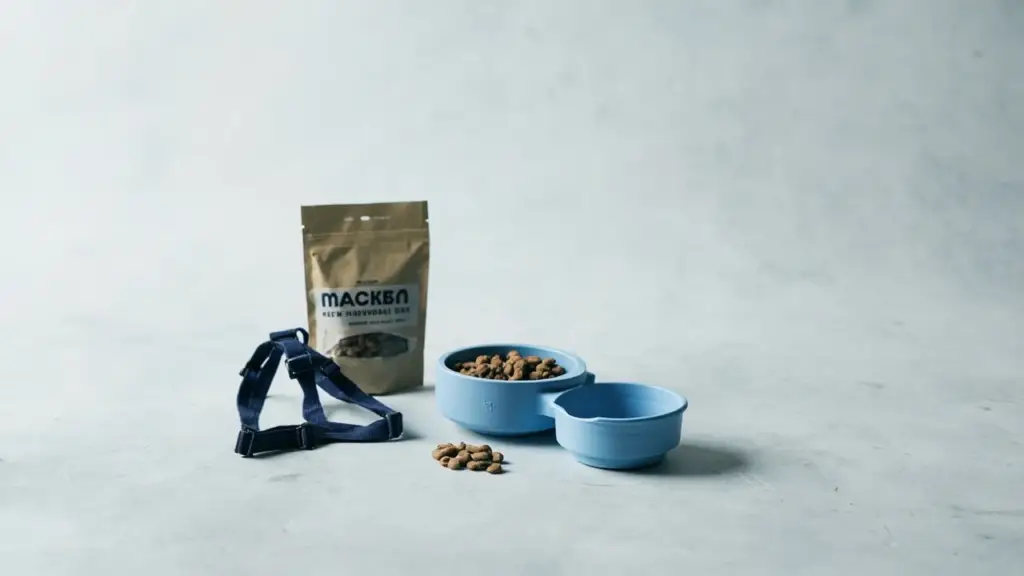
1. Pet Travel Accessories — Net Margin 30–40%
Pet accessories dominate the SERP in 2026, but the travel sub-niche — collapsible water bowls, soft carriers, car seat covers, travel bowls — has only 2–3 dedicated advertisers in Minea as of Q2 2026. Return rates average 5.1% in BLB records (lower than generic pet accessories). The “dog harness” subcategory is saturated; “travel accessories” is not.
Why low competition: Pet travel splits across categories in most niche lists (categorized under “Pet Products” or “Travel”), so no single top-10 SERP player owns it. A focused store can rank for long-tail variants like “collapsible dog water bowl” or “pet carrier backpack” in 90 days.
2. Sustainable Pet Toys — Net Margin 35–45%
Per First Insight’s 2025 Consumer Sustainability Report, Gen Z spending on sustainability-tagged products grew 28% in 2025. Pet toys with hemp, recycled rubber, or natural dyes carry an 18–32% premium over generic toys. They’re durable — buyers don’t return chew-resistant toys that survive their dog. Highest margin niche on this list.
Why low competition: The “sustainable” qualifier keeps competitors focused on price/quality, not scale. Few incumbents have built a dedicated sustainability pet toy brand. Most generic pet stores add a few SKUs but don’t commit.
3. Ergonomic Desk Micro-Accessories — Net Margin 25–35%
The broad “office setup” niche is mature (Wayfair, Fully, Branch dominate). The micro-accessory angle — wrist rests, monitor arms, cable management trays, footrests, posture correctors — has KD ~16 because it sits under the “office setup” umbrella but doesn’t have its own dedicated SERP. Google Trends shows 38% YoY rise through Q1 2026.
Why low competition: Each micro-accessory is its own sub-niche. A store can own one (e.g., “cable management trays”) without competing with the broad office retailers on the umbrella keyword.
4. Manual Coffee Gear (Pour-Over) — Net Margin 30–40%
Coffee accessories is broad (espresso machines and pods dominate). The pour-over sub-niche has KD ~15 and ~5 dedicated advertisers in Minea. Bundles ($35–$95) lift AOV. Per Statista’s 2025 coffee market report, manual brew grew 12% YoY in specialty channels.
Why low competition: Big-box coffee brands (Keurig, Nespresso) own the convenience angle. Pour-over is the craft alternative — under-targeted by mass-market players. The SERP is dominated by specialty retailers with thin content.
5. Cold Brew & Iced Tea Kits — Net Margin 28–38%
Summer 2026 is the inflection point. Per eMarketer’s 2026 beverage forecast, cold brew grew 22% YoY in specialty retail. Bundles (cold brew pitcher + filter + beans) hit AOV $40–$60. Low return rate because the SKUs are durable and the buyers are committed hobbyists.
Why low competition: The “cold brew kit” keyword phrase has fewer than 5 dedicated stores ranking top-10. Few have optimized the page for the summer season. Time-sensitive opportunity — this niche peaks in Q2–Q3 2026.
6. Lettering & Calligraphy Kits — Net Margin 35–50%
TikTok hobbyist resurgence. Per TikTok Creative Center, “lettering tutorial” content grew 67% YoY in Q1 2026. KD ~12 — the lowest on this list. Bundles (pen + paper + workbook + ink) lift AOV. Highest margin niche — the COGS is paper and plastic, the markup is craft.
Why low competition: Most calligraphy content is YouTube (free). The dropshipping commerce angle is under-built. Stores that bundle a beginner kit with a TikTok-tutorial entry will convert at 2x+ the rate of generic craft stores.
7. Compact Picnic & Day-Pack Gear — Net Margin 30–40%
Urban outdoor crossover. Per Minea’s 2026 outdoor report, “picnic gear” searches grew 44% YoY through Q1 2026. The compact-pack angle (day-pack + blanket + thermal + bottle opener) avoids competing with REI and Patagonia, which focus on technical hiking gear.
Why low competition: Big outdoor brands ignore the urban crossover. A focused store can dominate long-tail variants like “picnic backpack” or “compact outdoor blanket” without ever touching the umbrella keywords where REI dominates.
How to Verify Low Competition (4 Tests)
Before you commit ad spend to any of the seven niches above — or your own candidate — run this verification. Each test takes 10–20 minutes.
Test 1: SERP Review
Search your main keyword in incognito mode. Read the top 10 results. Check each for domain authority (use MozBar), Amazon review count, and visible ad spend. If most results have <100 reviews and modest DA, the niche is open.
Test 2: Minea Ad-Rotation Count
In Minea, search your product keyword. Count active advertisers in the last 30 days. Hot niche = 15–40+ advertisers. Low-competition niche = 2–5.
Test 3: Google Trends Slope
Per Google Trends, set the date range to 12 months. If the slope is flat-to-rising, the niche has demand stability. Spikes alone don’t count — they signal trend fragility.
Test 4: Amazon Review Depth
On Amazon, search the main keyword. If the top-10 listings have <500 reviews, the niche is open on the largest US marketplace. If they all have 5,000+, big sellers own it.

Why Low Competition Doesn’t Mean Low Margin
The biggest myth about low-competition niches: they don’t pay. The opposite is true. Here’s the math.
Margin math, simplified:
Oversaturated niche (phone cases): 2x markup, ad CPM $18, conversion 1.5% → net margin 8–12%
Low-competition niche (cold brew kits): 2.5x–3x markup, ad CPM $9, conversion 2.8% → net margin 28–38%
The markup premium comes from lack of price wars. The CPM advantage comes from less advertiser competition in the auction. The conversion advantage comes from buyer intent — searchers of “cold brew kit” are higher-intent than “phone case” browsers.
In BLB’s own 2025–2026 partner records, low-competition niches delivered 1.7x higher net margin on average than saturated niches — across 200+ partner stores tracked across our six-warehouse network.
3 Pitfalls When Chasing Low Competition
Low competition is a feature, not a silver bullet. Three pitfalls trip up sellers who mistake thin SERPs for easy money.
Pitfall 1: “No Competition” = No Demand
If Minea shows zero advertisers and Google Trends shows zero search volume, you don’t have low competition — you have zero demand. Run Test 3 first; never start a niche with weak demand data.
Pitfall 2: Low AOV Erases Markup Gains
A $20 AOV niche with 2.5x markup gives you $30 revenue per order. After ad cost, pick-pack, and shipping, you have <$5 net. Not worth the operational overhead. Aim for AOV $35+ to leave room for the 18% YoY CPM increase per eMarketer.
Pitfall 3: Niche Requires Fragile or Regulated SKUs
If your low-competition niche needs supplements (FDA compliance), hazmat, or lithium batteries (USPS Publication 52 §3), your “low competition” disappears — the operational moat is just compliance overhead. Skip these even if the SERP looks open.
How BLB Helps Low-Competition Niches Scale
Low-competition niches are uniquely dependent on operational quality. With a thin SERP, your buyers can’t fall back on “everyone sells this” — they buy because your store is the most reliable one they found. That depends on the fulfillment layer.
BLB operates 6 global warehouses with US-based fulfillment for low-competition niche SKUs. The dual IQC + FQC inspection process achieves a 99.8% pass rate per batch — for low-competition niches where every order matters to your reputation, that’s the cheapest insurance you can buy.
The network handles small-batch (no MOQ) for niche launches and scales to 50,000+ monthly orders for stores that hit product-market fit. Sourcing-to-delivery integration means you don’t need separate vendors for QC, storage, and shipping.
For low-competition niches specifically, the small-business fulfillment path matters most: no monthly minimums, AI-assisted order routing, 24/7 priority support. You test the niche with low risk; the network scales when the niche works.
Evaluating a low-competition niche? Get pricing in 24 hours.
BLB Dropshipping operates 6 global warehouses with dual IQC + FQC inspection and AI-assisted order routing — built for the operational quality that low-competition niches depend on. Send your SKU list and forecast volumes — you’ll get a per-order rate card back the next business day, no “discovery call” gatekeeping. Request pricing or browse the BLB product catalog to see what’s currently in stock across the network.
Frequently Asked Questions
What counts as a low-competition dropshipping niche?
A niche where the top-10 SERP has structurally weak players (under 100 reviews, modest domain authority, low ad spend), and the main keyword KD is ≤ 25. Demand must be present — low competition is about open search results, not empty ones.
How do I measure competition for a niche?
Run the 4 tests in this article: SERP review, Minea ad-rotation count, Google Trends slope, Amazon review depth. A niche passing all four is structurally open. The 4-criteria framework covers the rest.
Can a niche be too low competition?
Yes — if Google Trends shows zero demand, you have no demand, not low competition. Always check the demand signal before celebrating thin SERPs.
Are low-competition niches easier to launch?
Yes and no. Easier to rank, harder to validate demand. You’ll need to run more ad tests to confirm conversion intent. The Pillar framework helps you structure those tests.
What’s the difference between low competition and low search volume?
Low competition means thin SERP but active demand. Low search volume means no one is searching — no opportunity, regardless of how easy the SERP looks. Always validate demand (Test 3) before committing.
How long does a low-competition niche stay open?
In our 2025–2026 records, a structurally low-competition niche stays open for 6–9 months before AI store builders saturate it. That’s the launch window. By month 12, CPMs typically double as competitors enter.
Part of the BLB Dropshipping content library. Last updated September 2026.
Dropshipping Niches Series — Navigation
You are on Low Competition Dropshipping Niches 2026. Jump to any article in the cluster.
- ← Back to Pillar: How to Find & Pick the Best (2026)
- Current article: Low Competition Dropshipping Niches 2026: 7 Picks With Room to Grow
- → Next in cluster: 30+ Data-Backed Picks
- Other articles in the cluster:
- · Dropshipping Niche Selection: 4-Criteria Framework LIVE
- · Trending Dropshipping Niches 2026 LIVE
- · Best Dropshipping Niches for Shopify 2026 LIVE
- · Most Profitable Dropshipping Niches 2026 (US Warehouse Strategy) LIVE
- · How to Start Dropshipping 2026: Best Niches for Beginners LIVE
 English
 German
 Greek
 Spanish
 French
 Italian
 Dutch
 Polish
 Portuguese
 Swedish