
Generic dropshipping can prove demand, but it rarely builds memory. A customer may like the product and still forget the store if the parcel looks anonymous or carries supplier traces. Private label dropshipping matters when a DTC brand wants testing speed with a controlled, recognizable order experience.
Why Branding Changes the Dropshipping Equation
Branding changes the job of a fulfillment partner from sending parcels to protecting customer perception. The package carries a promise: the store is accountable for quality, presentation, and follow-through. That promise is difficult to keep when every supplier packs differently.
A growing store also needs consistency before complicated customization. BLB Dropshipping becomes relevant for sellers who want sourcing, inspection, packaging, and shipping to work as one operating flow instead of separate supplier chats. The service supports sellers moving from single-order testing toward branded execution.
From anonymous parcel to owned touchpoint
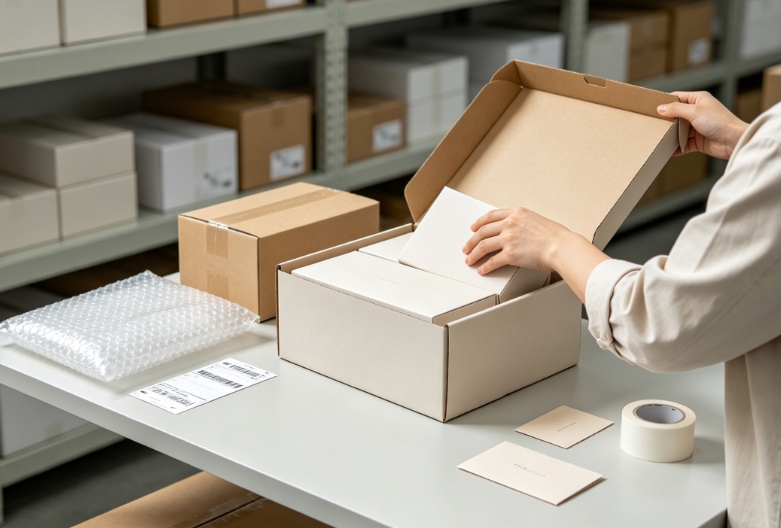
A branded parcel gives the buyer a reason to connect the product experience back to the store. Custom boxes, logo printing, thank-you cards, inserts, and clean blind shipping can remove the original supplier from the customer-facing journey. It protects a good product from looking disposable.
The operational promise behind the logo
The logo only works when operational basics are steady. Sellers need the right item, acceptable packaging, tracking visibility, and a delivery route that fits the market. BLB Dropshipping connects order sync, sourcing, quality checks, packaging, and global fulfillment so the brand promise is not left to a random handoff.
- Packaging should hide original supplier identifiers and keep the store identity visible.
- Supplier selection should match product quality, margin, and repeat-order potential.
- Inspection should happen before dispatch, not after customer complaints appear.
- Tracking updates should return to the store automatically so support teams can respond quickly.
Where Sourcing and Quality Control Protect the Promise
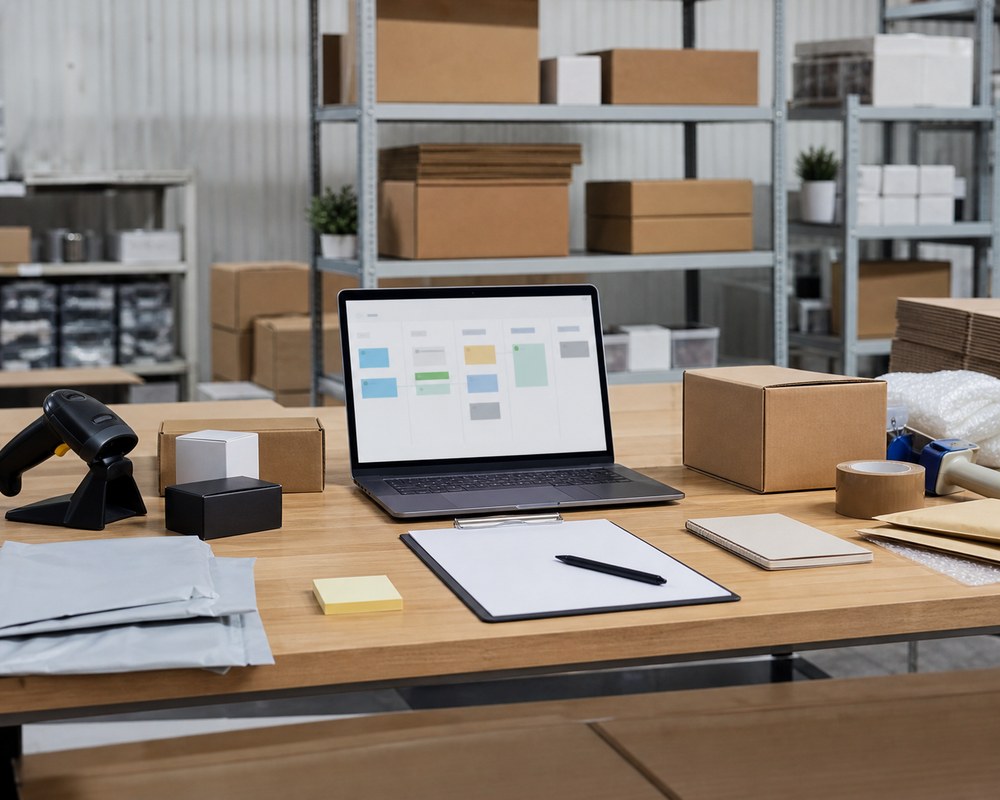
Private label growth starts before the parcel reaches the packing table. A seller needs products that can be sourced repeatedly, checked before shipment, and packaged without confusing the end customer. BLB supports product sourcing services for brand consistency through factory and marketplace access.
Supplier fit comes before packaging design
Supplier fit determines whether branding can repeat after the first successful campaign. A low-cost supplier may work for a short test, but a DTC brand needs availability, clear product information, workable pricing, and cooperation on packaging details. BLB shortlists suppliers, negotiates pricing, arranges samples when needed, and helps sellers compare trade-offs before scaling an item.
QC keeps branded expectations credible
Quality control protects the gap between the product page and the delivered item. BLB uses pre-shipment double checks for appearance, function, and packaging so obvious defects can be rejected before dispatch. For branded orders, a damaged insert, wrong color, or exposed supplier material can weaken the store’s reputation.
| Brand need | Fulfillment control | Buyer risk reduced |
| Clean identity | Blind shipping, branded packaging, inserts, and logo options | Customer sees the store brand, not the upstream supplier |
| Repeatable supply | Supplier vetting, sample coordination, and marketplace sourcing | Winning products are easier to restock and improve |
| Order accuracy | Double checks before dispatch and packaging validation | Refund pressure drops before support tickets start |
| Visible delivery | Automatic tracking updates and route matching by market | Customers receive clearer post-purchase communication |
The Fulfillment Workflow Behind a Branded Order
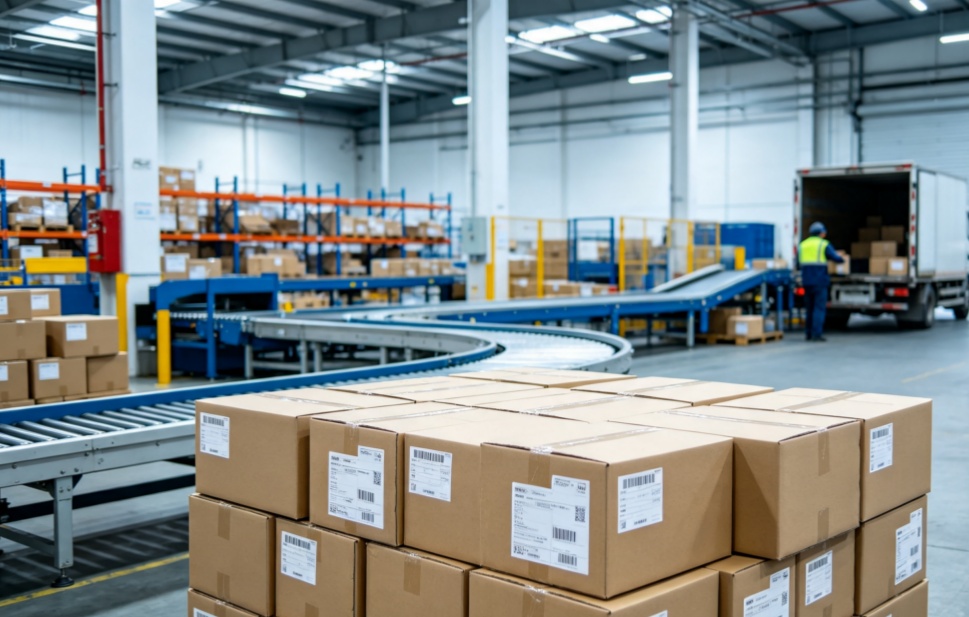
A brand-ready order is the result of small controls working in sequence. The sale enters the store, order data moves into the fulfillment system, the product is sourced or picked, inspected, packed, and tracking returns to the seller’s backend. BLB presents this as a private label dropshipping workflow for sellers who want fewer manual gaps.
Store integration and order sync
Store integration reduces the manual work that usually breaks during growth. BLB supports Shopify, WooCommerce, eBay, Amazon, and other platform API connections for automatic order capture. Inventory, order status, and tracking numbers can sync back to the seller dashboard, helping one operator manage higher volume without rebuilding the process.
Packaging validation before dispatch
Packaging validation turns branding from a design file into a dispatch standard. The team can prepare custom boxes, printed inserts, thank-you cards, and branded labels, then check the package before it leaves the warehouse. This step is especially useful when different product categories need different protection, presentation, or blind shipping rules.
Readiness Signals for a Branded Dropshipping Move
The right time for private label execution is usually after a product has shown demand but before support problems damage repeat sales. A store does not need a massive bulk order to improve customer experience, but it should know which products deserve extra packaging, inspection, or supplier attention.
Many sellers begin by comparing generic fulfillment with reliable dropshipping suppliers for branding. The better question is not only who ships cheapest. It is who can keep availability, packaging identity, tracking, and issue handling consistent as volume rises.
- The product has repeat sales, paid ad traction, or strong organic engagement.
- Customers ask about shipping time, packaging condition, or product consistency.
- The store wants to reduce supplier traces inside the parcel.
- The team needs one partner to coordinate sourcing, QC, warehousing, packaging, and shipping.
Summary: A Brand Needs Controlled Fulfillment
Private label dropshipping works best when branding is treated as an operating system, not only a logo. The seller still needs strong product selection and marketing, but repeat purchase depends on the correct item, clean presentation, predictable tracking, and a package that feels intentional.
For DTC sellers ready to move from simple testing into brand-led order execution, BLB Dropshipping can support sourcing, inspection, custom packaging, and global fulfillment in one coordinated flow. To discuss a branded setup, contact us with your product category, target market, and current order volume.
FAQ
What is private label dropshipping?
Private label dropshipping is a highly effective fulfillment model. In this setup, a seller markets various products under its own distinct brand. Meanwhile, a reliable partner handles sourcing, packing, shipping, and tracking. The growing brand can easily add custom packaging, printed inserts, or branded labels. They can add other customer-facing details without managing every single warehouse task.
When should a store move from generic dropshipping to private label?
A store should seriously consider the move at a specific point. This is when a product has proven solid demand or repeat-order potential. It also applies when customer feedback shows that packaging and overall delivery experience truly matter. Branding too early can waste valuable effort. Conversely, waiting too long can leave loyal buyers with a very generic impression.
Does private label dropshipping require high MOQ?
It does not always require this. BLB fully supports no-minimum-order dropshipping for early testing. They also offer flexible MOQs for larger wholesale or custom orders. This depends on the specific product type. Sellers should always confirm the exact packaging details. They must check customization and inventory requirements for each product before committing.
How does quality control support a private label order?
Strict quality control checks crucial details. It confirms whether the specific product and package match the seller’s expected standard. This happens before final dispatch. Physical appearance, proper function, and exact color are checked. Packaging condition and hidden supplier identifiers can be reviewed carefully. Thus, avoidable mistakes are caught easily before the buyer opens the parcel.
Can branded packaging work with multiple sales channels?
Yes, branded packaging can support multiple active channels. This works when the main fulfillment process keeps vital order data organized. It must also manage inventory and shipping rules well. BLB works smoothly with Shopify, WooCommerce, eBay, and Amazon. They help multi-channel sellers greatly. Because of this, custom packaging and accurate tracking can stay perfectly consistent across different storefronts.