

Cheap dropshipping looks attractive when product cost is the only number on the screen. The real margin appears later, after shipping delays, damaged parcels, wrong variants, refunds, and support time are counted. A lower item price can help only when the delivery system behind it is stable enough to protect the customer’s promise.
Low Product Cost Is Only One Line in the Margin
A cheap product can become expensive when its fulfillment path is weak. Sellers often compare supplier unit prices while leaving out repacking, replacement shipments, refund handling, payment disputes, customer-service hours, and lost repeat purchases. Those costs arrive after the sale, which makes them harder to see during product selection.
The practical question is not whether a supplier is inexpensive. The better question is whether the total landed customer experience is predictable. When a store depends on low-cost dropshipping suppliers, every missing quality check or unstable shipping route can turn a small saving into a larger operating loss.
Costs that usually stay hidden
- Refunds caused by late or untracked parcels
- Replacement orders after damage or wrong variants
- Support time spent explaining avoidable exceptions
- Ad spend wasted on products that cannot be delivered consistently
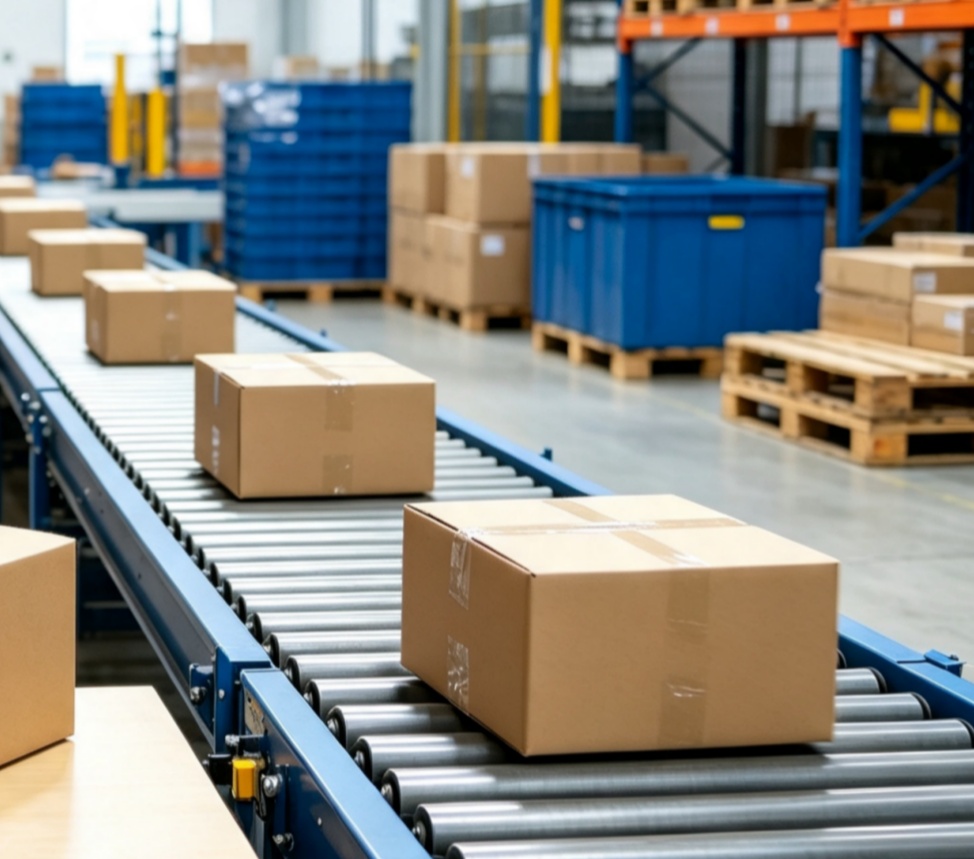
Where Cheap Operations Create Expensive Problems
Logistics problems often begin before the parcel leaves the warehouse. Weak product information, unclear variants, loose packaging, slow stock confirmation, and route changes all make delivery less predictable. A seller may see a low product quote, but the customer experiences the full chain from checkout to arrival.
BLB Dropshipping is useful in this decision path because cost control depends on coordinated sourcing, checking, packing, shipping, and tracking. The service connects supplier communication with fulfillment handling, so the seller can evaluate the real operating cost instead of chasing the lowest visible product price.
| Cheap shortcut | Likely hidden cost | Better control |
| Only compare item price | Refunds when quality or variants differ | Confirm product details and check goods before dispatch |
| Use the slowest route by default | Chargebacks and support pressure | Match route speed to the published delivery promise |
| Skip packaging review | Damage claims and replacements | Use packaging that fits product risk and destination |
| Track stock manually | Overselling and cancelled orders | Keep inventory status visible before accepting volume |
Fulfillment Services Should Reduce the Cost of Exceptions
A fulfillment partner earns its place when it prevents repeated problems, not when it merely adds another fee. Useful fulfillment services for cost control cover order capture, inventory visibility, picking, pre-shipment checks, packing, dispatch, tracking return, and exception handling. Each step should reduce uncertainty around the customer’s order.
Pre-shipment inspection is especially important for stores that test new products or sell variant-heavy items. BLB Dropshipping uses a Double Check process before dispatch and can support customized packaging and blind dropshipping, which helps prevent supplier-side issues from reaching the buyer unchanged.
Signs a cheap route is not actually cheap
- Tracking appears late or stops before delivery
- Customer questions increase after every promotion
- Damage claims repeat for the same product category
- The supplier cannot confirm stock before the store sells
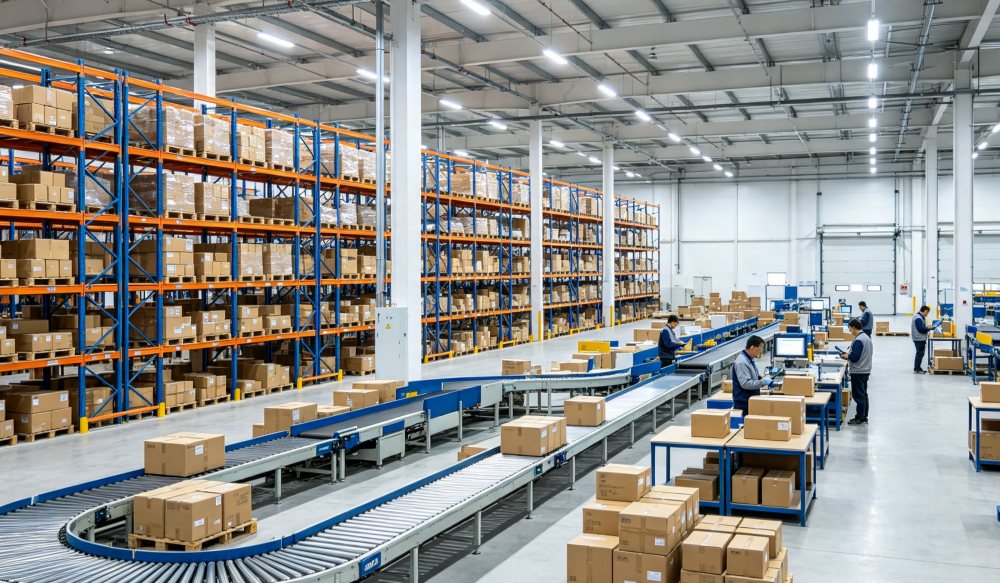
Margin Protection Comes From Operating Control
Inventory control protects margin because cancelled orders and stockouts quietly consume paid traffic. When a listing keeps selling after stock has changed, the seller pays for the customer relationship twice: once through acquisition and again through apology, refund, or replacement.
Reliable ecommerce inventory tracking during fulfillment helps the seller see which products are available, reserved, delayed, or at risk. That visibility supports smarter decisions about pausing ads, reserving private inventory, switching suppliers, or changing the published delivery promise.
A Practical Cost Review Before Scaling
A cost review should follow one real order from supplier quote to customer resolution. Record product cost, domestic handling, packaging, international shipping, platform fees, payment fees, support touches, refund rate, replacement rate, and dispute risk. The review usually shows that the cheapest product source is not always the cheapest delivered order.
Route testing should compare more than advertised delivery time. Sellers should look at first-scan speed, tracking clarity, customs behavior, damage exposure, and how often customers ask for help before the parcel arrives. A slightly higher route cost may protect the same margin better when it lowers refunds and support work.
Supplier comparison should also include communication quality. A supplier that answers stock, variant, and packing questions quickly can prevent paid orders from waiting in uncertainty. That responsiveness becomes more valuable during a promotion, when small delays can affect many customers at once.
The Practical Takeaway
Cheap dropshipping only saves money when the entire order path remains dependable. Evaluate the product price together with stock accuracy, inspection, packaging, route stability, tracking, and exception ownership. A store that protects those controls can compete on cost without letting hidden logistics problems take the profit back.
For a practical review of your product category, shipping markets, and current fulfillment risks, contact us with the routes and order issues that most affect your margin.
FAQ
Is cheap dropshipping always a bad idea?
No. Low-cost sourcing can work when product details, stock, quality checks, packaging, and delivery routes are controlled. Problems appear when the low price hides weak operations, especially after order volume rises.
What hidden costs should dropshipping sellers track?
Track refunds, replacements, chargebacks, support time, damaged parcels, delayed parcels, lost ad spend, and repeat-purchase loss. These costs show whether a product is truly profitable after the customer experience is included.
Can better packaging improve dropshipping profit?
Yes. Better packaging can reduce damage claims and replacement shipments, especially for fragile, multi-part, or giftable products. The packaging level should match the product risk, route, destination, and customer expectation.
Why does inventory tracking affect cost?
Inventory tracking reduces overselling, cancellations, and emergency supplier changes. It also helps sellers make faster decisions before a promotion increases order volume or a proven item runs out.
When should a seller pay more for fulfillment?
A higher fulfillment cost can make sense when it reduces refunds, disputes, support pressure, and delivery uncertainty. The decision should be based on total order cost, customer satisfaction, and repeatability, not only the product quote.
 English
 German
 Greek
 Spanish
 French
 Italian
 Dutch
 Polish
 Portuguese
 Swedish