

A product defect becomes expensive only after it reaches the customer. A controlled supplier quality workflow catches wrong variants, visible damage, functional faults, and weak packaging before an order enters international delivery. For growing stores, that release gate makes dropshipping fulfillment more predictable and gives buyers evidence for supplier decisions instead of relying on promises.
Why Pre-Shipment QC Matters for Dropshipping
Many dropshipping suppliers can source a product, but the buyer still needs a repeatable acceptance standard. A listing photo cannot confirm the selected color, plug, accessory set, label, or packaging method. Supplier quality therefore depends on a written reference that warehouse staff can compare with the physical unit before dispatch.
Reliable ecommerce fulfillment services connect inspection with inventory and shipping records. BLB Dropshipping supports product sourcing, order and inventory synchronization, warehouse processing, reinforced packing, and pre-shipment checks. This connection matters because a failed unit should be stopped before a tracking number is issued, not discovered after delivery.
Risks a Release Gate Can Stop
- Wrong SKU, color, size, plug, or bundled accessory
- Visible scratches, stains, deformation, or incomplete assembly
- Basic functional failure under the agreed test method
- Weak protection, incorrect labels, or supplier documents inside the parcel
A release gate does not promise that every product will be flawless. It creates a documented decision point: accept, rework, replace, or hold. That discipline is more useful than an unsupported claim that quality control eliminates all returns.

How a Three-Stage Quality Check Works
Our supplier quality workflow separates reference validation, receiving inspection, and the final dispatch check. The stages give the sourcing, warehouse, and shipping teams a shared standard while keeping the inspection scope appropriate to the product category.
Reference and Sample Validation
Reference validation defines what the buyer actually approved. The file should identify the SKU and variant, required accessories, visible finish, packaging configuration, and any simple function that can be checked safely. A sample or verified product record is especially important when several factories offer similar-looking items.
Receiving and Batch-Level Inspection
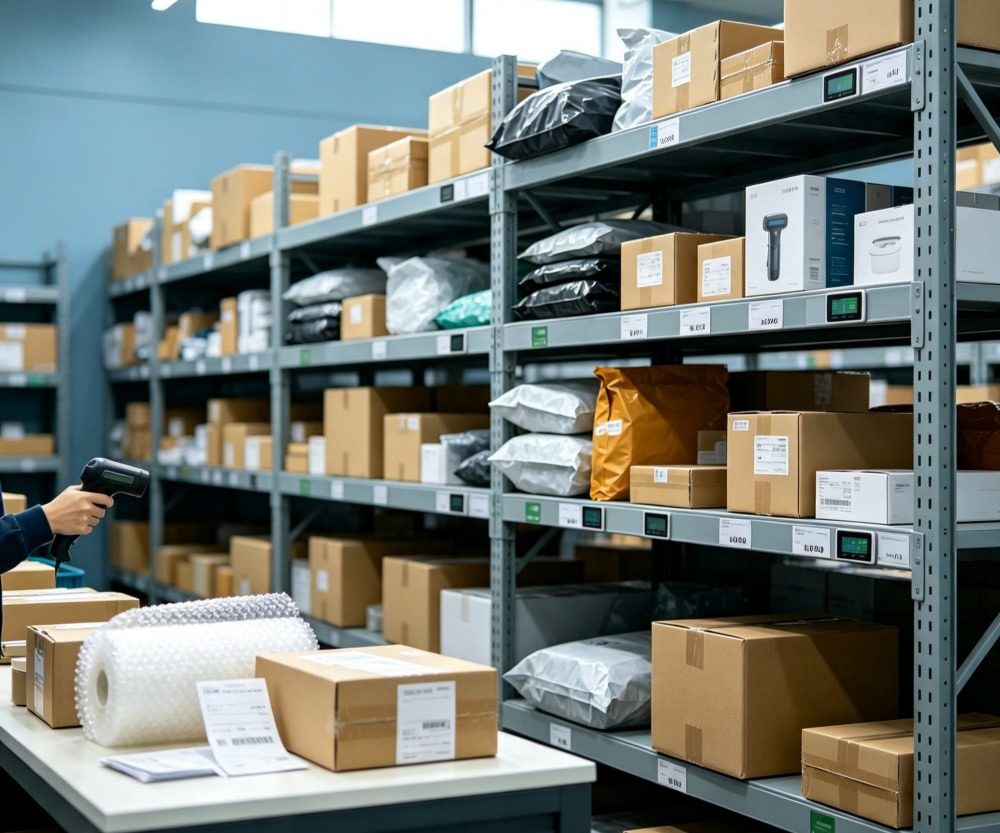
Receiving inspection compares incoming goods with the approved reference before units are mixed into available inventory. Staff can record quantity, visible condition, packaging consistency, and obvious batch differences. When a problem appears, affected units remain separated while the buyer and supplier decide whether to replace, rework, or accept them.
Final Double Check Before Dispatch
The final Double Check confirms the customer order and the packed unit still match. BLB Dropshipping’s QC process covers appearance, function, components, and a second packaging review before shipment. Photo documentation and dashboard records provide a practical trail when a buyer needs to investigate a batch or customer complaint.
| Checkpoint | Evidence to Record | Release Decision |
| Reference | Approved SKU, variant, sample, and packaging notes | Hold if the reference is unclear |
| Receiving | Quantity, visible condition, and batch consistency | Segregate mismatched or damaged units |
| Function | Defined checks for the product category | Reject or rework failed units |
| Release | Label, accessories, protection, photos, and tracking data | Ship only after the record is complete |
What Buyers Should Require in QC Records
Useful records show what was checked, not merely that an inspection happened. Buyers comparing order fulfillment services should ask how a failed unit is identified, isolated, photographed, and resolved. The strongest ecommerce fulfillment services link the QC result to the SKU, batch, order, and shipping status.
- Date, SKU, variant, batch, and inspected quantity
- Reference photos and the acceptance points used
- Defect description, evidence, and disposition
- Packing, label, accessory, and tracking confirmation
Records also improve communication with dropshipping suppliers. Instead of saying that quality is poor, the buyer can point to a repeatable fault and request a corrective action. Over time, that evidence helps compare supplier quality by category and decide which products need a sample, a full check, or a targeted batch check.
How QC Connects With Fulfillment Decisions
Quality control should sit inside the operating flow rather than beside it. Order fulfillment services need a clear hold status so suspect inventory cannot be allocated automatically. Dropshipping suppliers also need a defined response path, because inspection without replacement, rework, or refund rules only documents a problem.
For dropshipping fulfillment, the buyer should match inspection depth to product risk. Electronics may need a defined function check; apparel may emphasize color, size, stitching, and labeling; fragile goods may require packaging validation. Ecommerce fulfillment services should confirm which checks are standard, which require buyer instructions, and which may add time or cost.
Quotations Need Operational Inputs
A useful quotation starts with evidence requirements. Send the product link or specification, approved photos, variants, accessories, test method, packaging request, expected order volume, and destination markets. These inputs let order fulfillment services scope labor and reporting while giving supplier quality teams a clear acceptance target.
BLB Dropshipping can align sourcing, inspection, warehousing, packaging, and tracking around that brief. To review a product and define the release points, request a dropshipping fulfillment consultation with the SKU, target market, expected daily orders, and the defects you most need to prevent.
FAQ
What should a dropshipping quality check include?
The check should confirm the approved SKU, variant, appearance, accessories, basic function where applicable, labels, and packaging. The exact scope should reflect the product’s failure risks and the buyer’s written acceptance criteria.
Is a sample enough to confirm ongoing supplier quality?
A sample establishes the reference, but later batches can vary. Buyers should keep the approved record and use receiving or pre-shipment checks to identify meaningful changes before stock is released.
Should every unit receive a full inspection?
Inspection depth depends on product risk, order value, supplier history, and the cost of failure. Buyers should agree whether the job requires a full check, a batch sample, or selected functional tests.
How do QC photos help with customer complaints?
Photos connect a shipped unit or batch to a recorded condition before dispatch. They support faster investigation, although the seller still needs clear customer-service and carrier claim procedures.
When should a store change dropshipping suppliers?
A store should reassess a supplier when the same documented defect repeats, corrective actions fail, stock information remains unreliable, or agreed replacement and rework procedures are not followed.
How Supplier Quality Checks Protect Dropshipping Orders
A product defect becomes expensive only after it reaches the customer. A controlled supplier quality workflow catches wrong variants, visible damage, functional faults, and weak packaging before an order enters international delivery. For growing stores, that release gate makes dropshipping fulfillment more predictable and gives buyers evidence for supplier decisions instead of relying on promises.
Why Pre-Shipment QC Matters for Dropshipping
Many dropshipping suppliers can source a product, but the buyer still needs a repeatable acceptance standard. A listing photo cannot confirm the selected color, plug, accessory set, label, or packaging method. Supplier quality therefore depends on a written reference that warehouse staff can compare with the physical unit before dispatch.
Reliable ecommerce fulfillment services connect inspection with inventory and shipping records. BLB Dropshipping supports product sourcing, order and inventory synchronization, warehouse processing, reinforced packing, and pre-shipment checks. This connection matters because a failed unit should be stopped before a tracking number is issued, not discovered after delivery.
Risks a Release Gate Can Stop
- Wrong SKU, color, size, plug, or bundled accessory
- Visible scratches, stains, deformation, or incomplete assembly
- Basic functional failure under the agreed test method
- Weak protection, incorrect labels, or supplier documents inside the parcel
A release gate does not promise that every product will be flawless. It creates a documented decision point: accept, rework, replace, or hold. That discipline is more useful than an unsupported claim that quality control eliminates all returns.
How a Three-Stage Quality Check Works
Our supplier quality workflow separates reference validation, receiving inspection, and the final dispatch check. The stages give the sourcing, warehouse, and shipping teams a shared standard while keeping the inspection scope appropriate to the product category.
Reference and Sample Validation
Reference validation defines what the buyer actually approved. The file should identify the SKU and variant, required accessories, visible finish, packaging configuration, and any simple function that can be checked safely. A sample or verified product record is especially important when several factories offer similar-looking items.
Receiving and Batch-Level Inspection
Receiving inspection compares incoming goods with the approved reference before units are mixed into available inventory. Staff can record quantity, visible condition, packaging consistency, and obvious batch differences. When a problem appears, affected units remain separated while the buyer and supplier decide whether to replace, rework, or accept them.
Final Double Check Before Dispatch
The final Double Check confirms the customer order and the packed unit still match. BLB Dropshipping’s QC process covers appearance, function, components, and a second packaging review before shipment. Photo documentation and dashboard records provide a practical trail when a buyer needs to investigate a batch or customer complaint.
| Checkpoint | Evidence to Record | Release Decision |
| Reference | Approved SKU, variant, sample, and packaging notes | Hold if the reference is unclear |
| Receiving | Quantity, visible condition, and batch consistency | Segregate mismatched or damaged units |
| Function | Defined checks for the product category | Reject or rework failed units |
| Release | Label, accessories, protection, photos, and tracking data | Ship only after the record is complete |
What Buyers Should Require in QC Records
Useful records show what was checked, not merely that an inspection happened. Buyers comparing order fulfillment services should ask how a failed unit is identified, isolated, photographed, and resolved. The strongest ecommerce fulfillment services link the QC result to the SKU, batch, order, and shipping status.
- Date, SKU, variant, batch, and inspected quantity
- Reference photos and the acceptance points used
- Defect description, evidence, and disposition
- Packing, label, accessory, and tracking confirmation
Records also improve communication with dropshipping suppliers. Instead of saying that quality is poor, the buyer can point to a repeatable fault and request a corrective action. Over time, that evidence helps compare supplier quality by category and decide which products need a sample, a full check, or a targeted batch check.
How QC Connects With Fulfillment Decisions
Quality control should sit inside the operating flow rather than beside it. Order fulfillment services need a clear hold status so suspect inventory cannot be allocated automatically. Dropshipping suppliers also need a defined response path, because inspection without replacement, rework, or refund rules only documents a problem.
For dropshipping fulfillment, the buyer should match inspection depth to product risk. Electronics may need a defined function check; apparel may emphasize color, size, stitching, and labeling; fragile goods may require packaging validation. Ecommerce fulfillment services should confirm which checks are standard, which require buyer instructions, and which may add time or cost.
Quotations Need Operational Inputs
A useful quotation starts with evidence requirements. Send the product link or specification, approved photos, variants, accessories, test method, packaging request, expected order volume, and destination markets. These inputs let order fulfillment services scope labor and reporting while giving supplier quality teams a clear acceptance target.
BLB Dropshipping can align sourcing, inspection, warehousing, packaging, and tracking around that brief. To review a product and define the release points, request a dropshipping fulfillment consultation with the SKU, target market, expected daily orders, and the defects you most need to prevent.
FAQ
What should a dropshipping quality check include?
The check should confirm the approved SKU, variant, appearance, accessories, basic function where applicable, labels, and packaging. The exact scope should reflect the product’s failure risks and the buyer’s written acceptance criteria.
Is a sample enough to confirm ongoing supplier quality?
A sample establishes the reference, but later batches can vary. Buyers should keep the approved record and use receiving or pre-shipment checks to identify meaningful changes before stock is released.
Should every unit receive a full inspection?
Inspection depth depends on product risk, order value, supplier history, and the cost of failure. Buyers should agree whether the job requires a full check, a batch sample, or selected functional tests.
How do QC photos help with customer complaints?
Photos connect a shipped unit or batch to a recorded condition before dispatch. They support faster investigation, although the seller still needs clear customer-service and carrier claim procedures.
When should a store change dropshipping suppliers?
A store should reassess a supplier when the same documented defect repeats, corrective actions fail, stock information remains unreliable, or agreed replacement and rework procedures are not followed.